
Your Instructor:
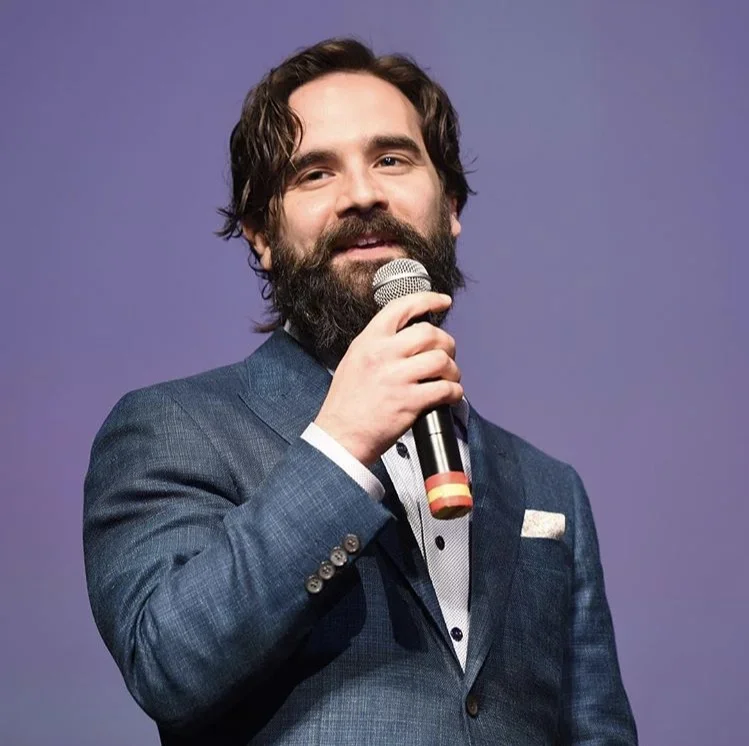
I was raised by a storyteller mother — a choreographer — who taught me the value of understanding ourselves, one another, and the larger, perhaps unanswerable questions of our existence through narrative —
But for much of my adult life, I struggled to connect these early storytelling connections to the art of screenwriting. As I read books like Robert McKee's Story or Blake Snyder's Save the Cat — a book that claims to be the last any screenwriter will ever need — I found myself either overwhelmed by the information or underprepared by the supposed simplicity of what both books suggested storytelling was.
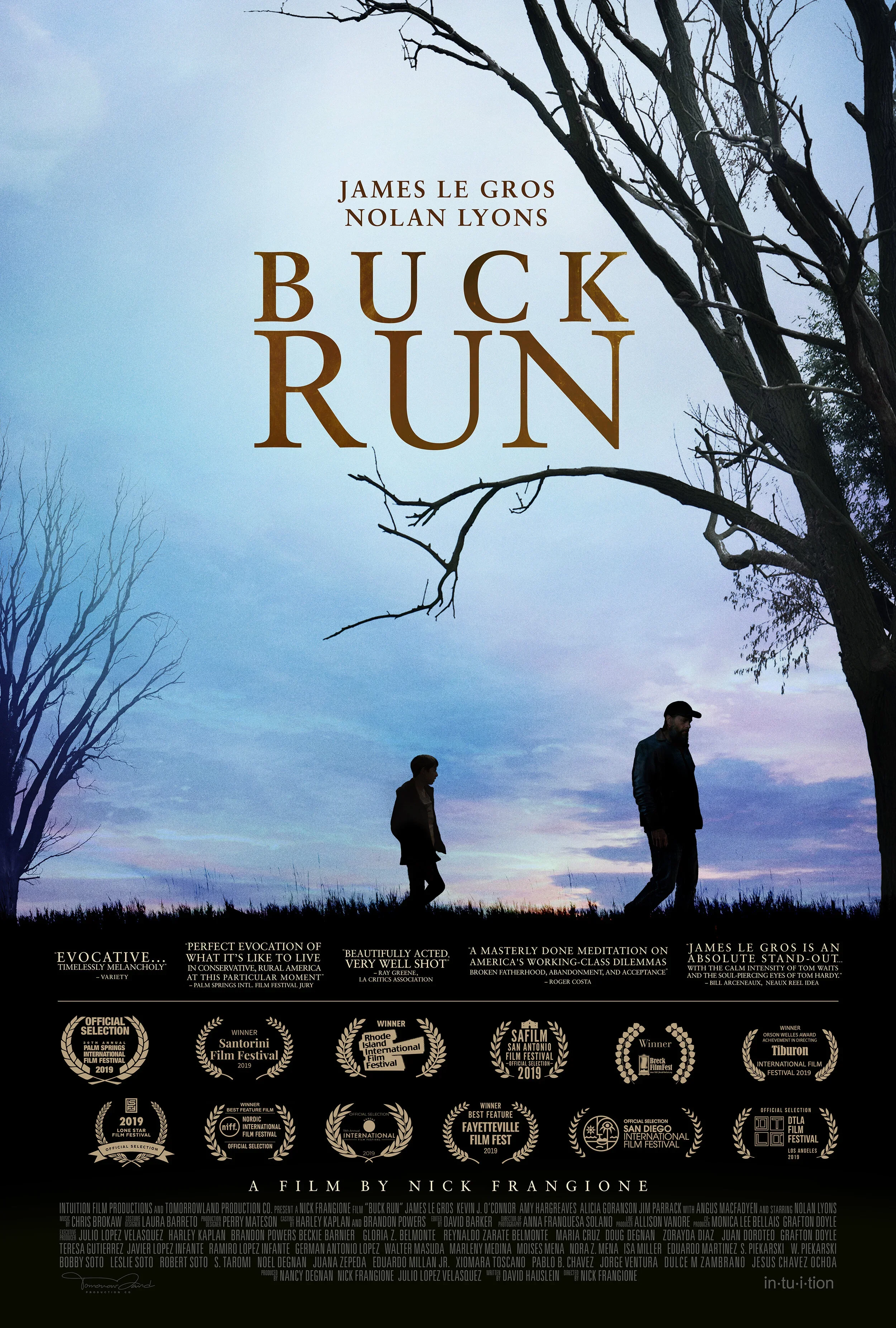
Amid all this struggle, I still directed, and after Buck Run’s success, as many became curious about working with me, I hoped my screenwriting woes were behind me. They weren't.
A filmmaker's success depends on a body of work, and I had only one other script — and it had been hollowed out, structurally and emotionally, by years of screenwriting thinking rather than intuitively doing.
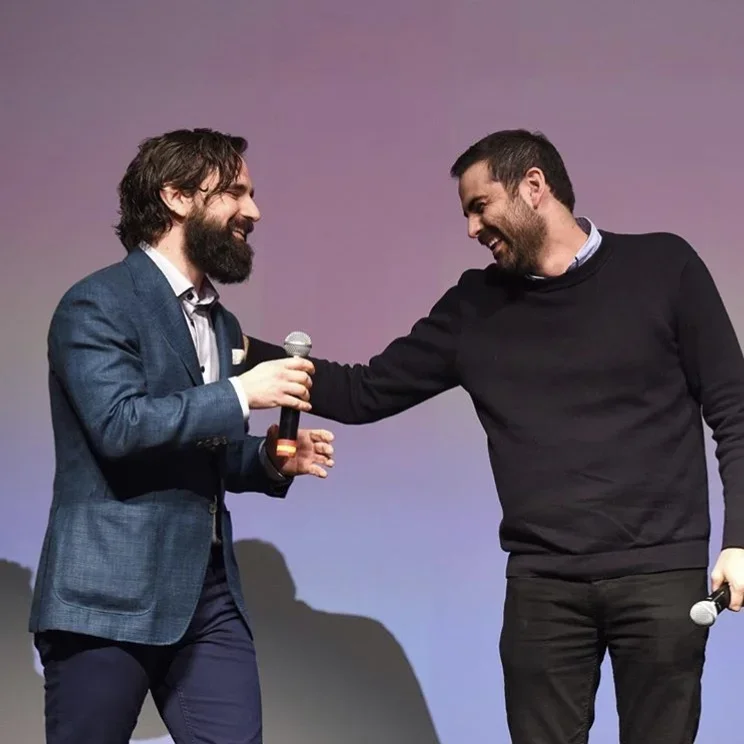
As I asked around and took on writing clients — first close friends and collaborators, then their referrals — I saw that I wasn't the only one struggling with screenwriting in this way. I was one of many. And many of them, working with me, found their way through.
Storytelling is not just entertainment for entertainment's sake — it's the study of human emotion, society, and culture. It's an essential need in the psyche of every individual and the collective, and we storytellers must continue to attend to it.
But too many of us have learned that we're "bad at writing dialogue," or "don't know story structure." Too many of us have learned that intuition is something only some are born with, rather than something that exists in all of us — something we can train.
Too many of us fall on our swords for tricks that successful writers use, which may not actually work for us.
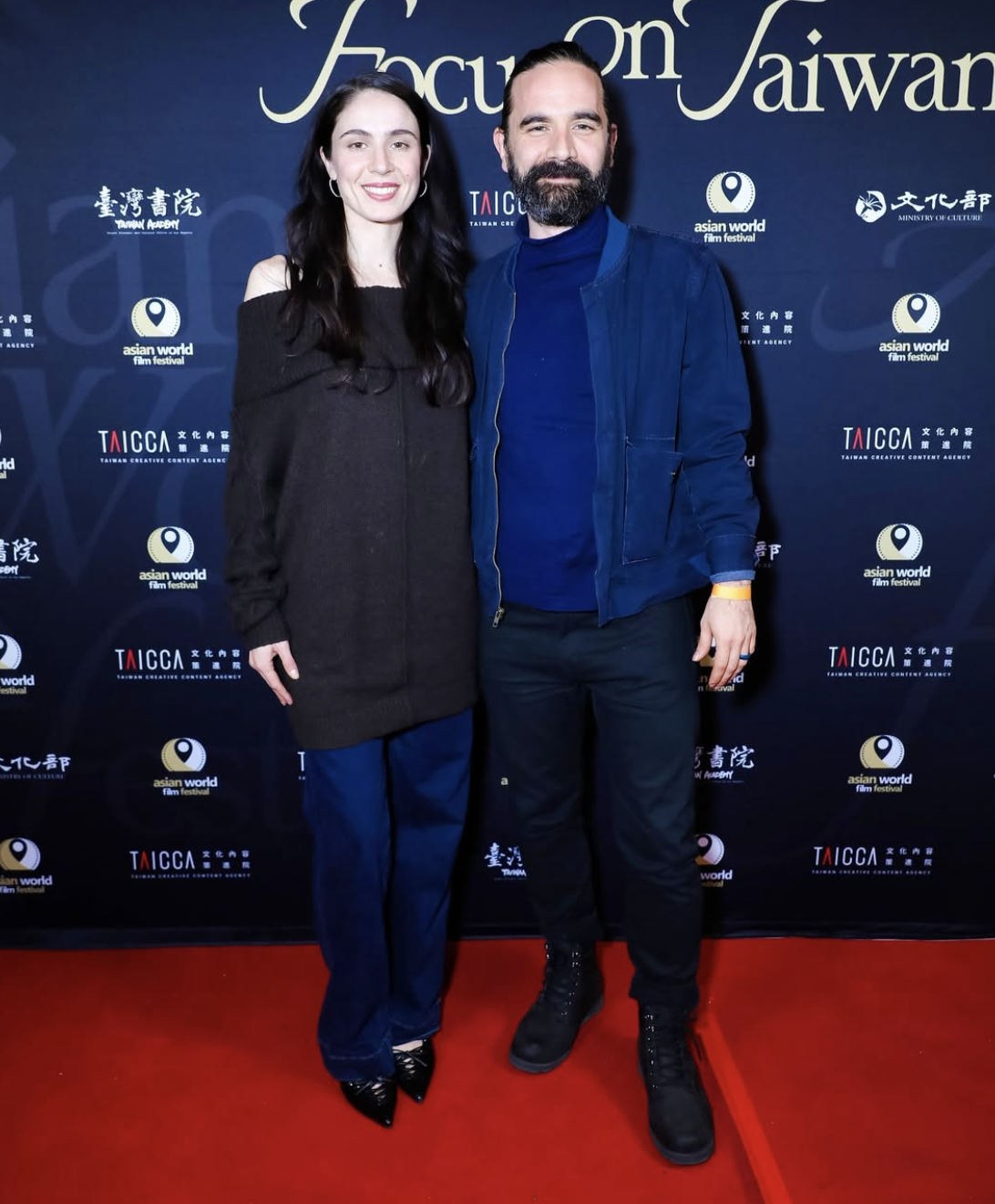
Beyond the public coaching programs, my team and I take on a small number of projects each year as consulting writers — working alongside established writers and producers to refine projects approaching production. These engagements are by invitation.
If you've read this far, you're probably wondering whether we'd be a good fit to work together. The best way to find out is a conversation — about your project, your goals, and where the work could go —
I wondered, "What if screenwriting were something I could learn in the same way we learn a language? What if storytelling is both meaningful and functional, and what if those two things are inextricably linked?"
Like a full immersion in a new language, I allowed myself to venture beyond the ways story structure is defined to the meaning beneath. You see, every definition is only that until you know what it means.
And when this venture allowed me not only to outline but also to write —when it took me from flailing writer/filmmaker to being in development with producers and collaborators on multiple feature-length projects — I knew I had something others like me needed. I knew I needed to share my process.
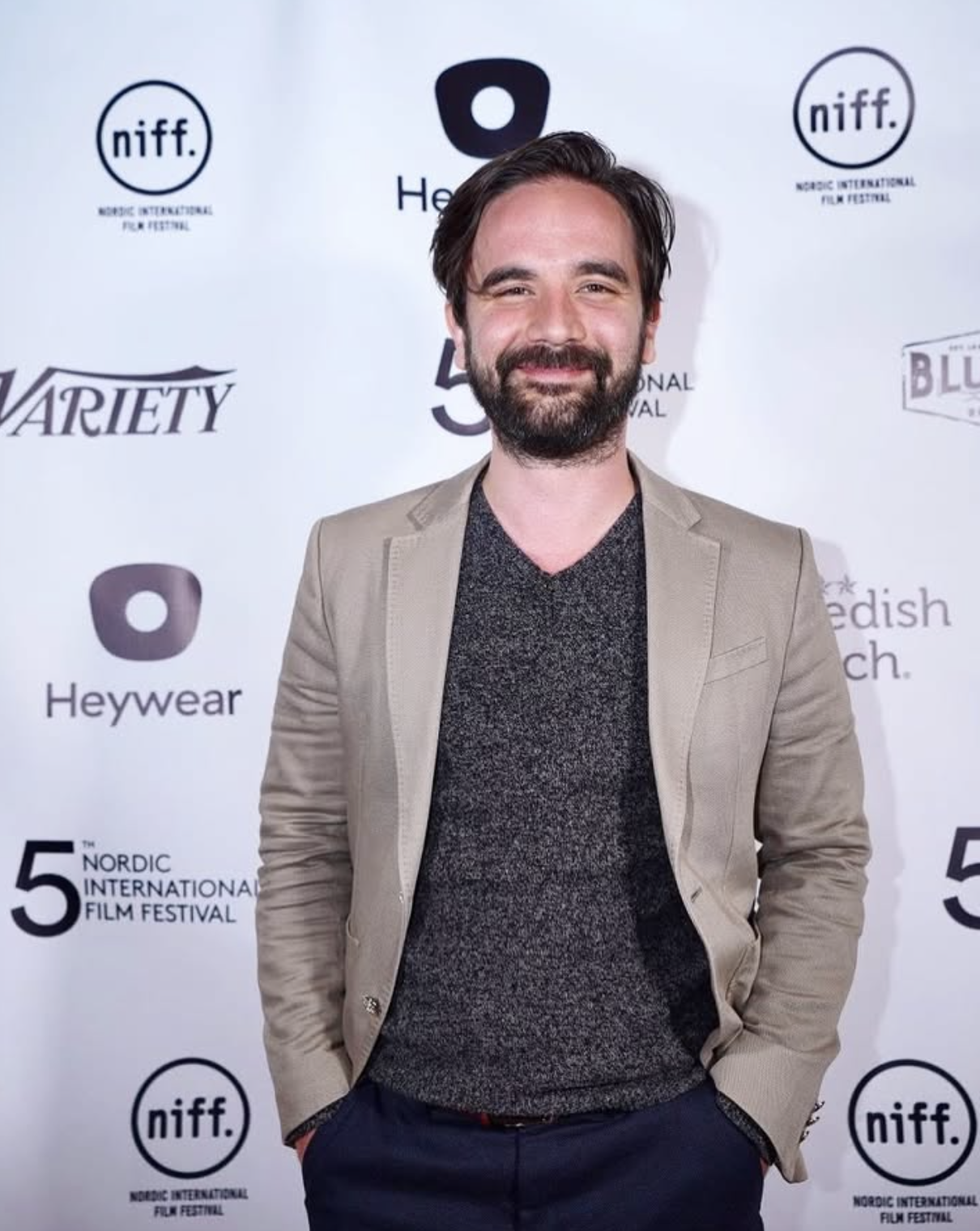
You see, if you consider story as a language you can learn, and your story as a specific language within such, the quickest and most effective way of expressing that language is to experience it, immerse yourself in it.
That's how I conceived my sci-fi project and took it through the Film Independent Producers Lab — a leap, for me, from the dramatic register of Buck Run. That's how I organized my production team and started developing the project with studio financing entities. That's how I'm taking similar steps with my international co-production horror film —
I learned how to express myself. I learned not only how to outline and write, but also how to adjust and work with feedback from many collaborators to keep my work in a constant forward trajectory, not impervious to things like writer's block and development setbacks, but always dynamic in response.
I've helped many clients do the same — the page of testimonials and case studies on this site is theirs, not mine. And with my forthcoming book, I hope to make a greater impact.
I'm a filmmaker, a teacher, and the creator of the Intuitive Outlining method. Story as Language, the company, is dedicated to story and its development — mine, and yours.
In 2019, I directed Buck Run, a feature that premiered Opening Weekend at Palm Springs International Film Festival alongside films like A Star Is Born and If Beale Street Could Talk. It was acquired for distribution and released on over 10 VOD platforms, including DIRECTV.
More recently, the same methodology I teach — Intuitive Outlining, Story as Language, Leaning Into Genius — helped me gain entry into the Film Independent Producers Lab 2025 for my upcoming sci-fi feature —